Bed covers form a protective and decorative layer over a bed, helping keep sheets and other bedding clean while contributing to the room’s overall appearance. Their size, fabric, weight, and construction affect coverage, comfort, and ease of care. Understanding these characteristics can help match a bed cover to everyday use and seasonal needs.
Bed covers may be used over sheets, blankets, or comforters to add a light layer and create a finished bed. Unlike pillows and fitted sheets, which serve distinct support or mattress-covering roles, a cover typically rests across the top of the bed. Fabric breathability and texture influence how it feels in different temperatures.
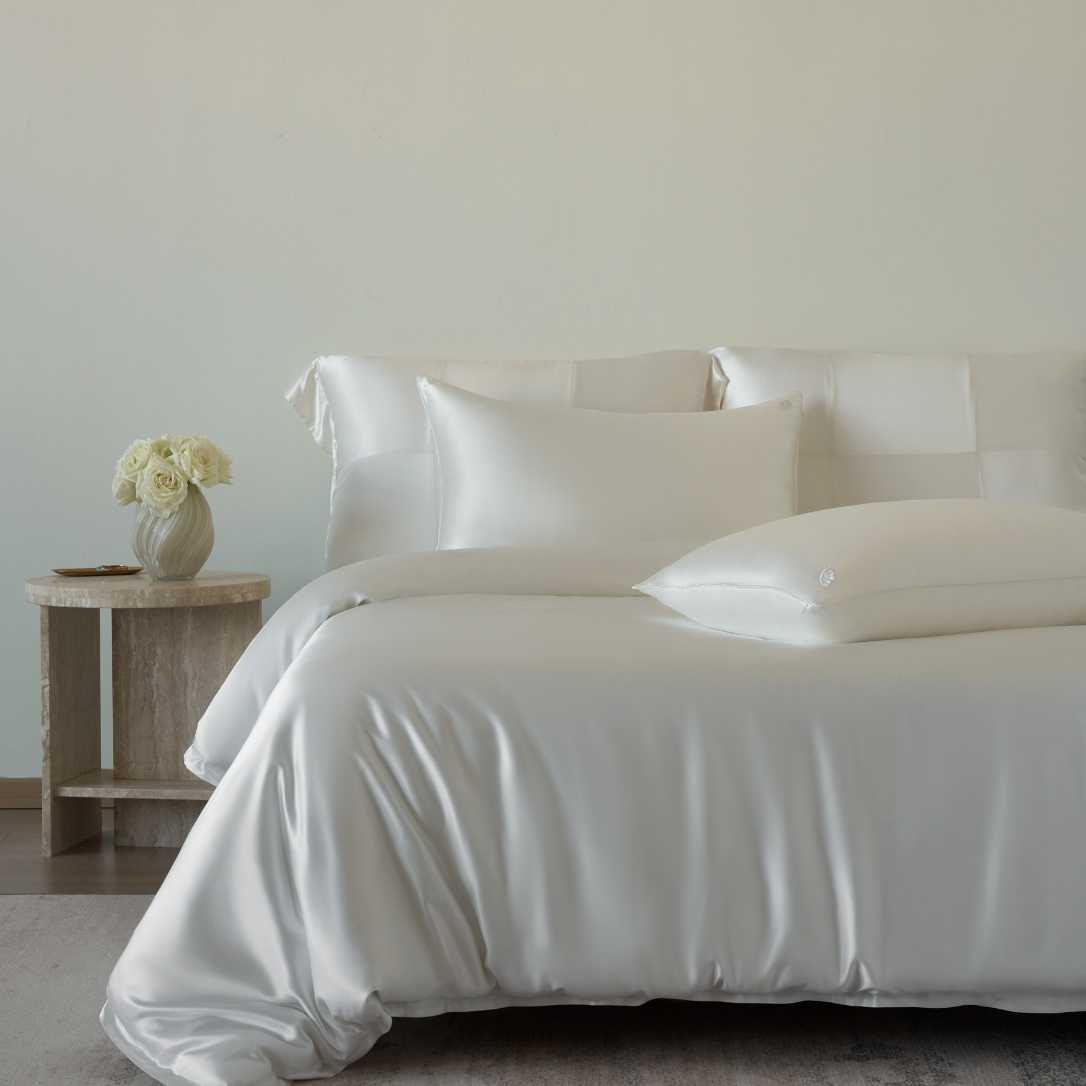
The Signature Silk Bedding Set is an example of coordinated bedding made with silk, a smooth, lightweight fabric known for its soft feel and fluid drape. Its set format brings compatible bedding pieces together, supporting a consistent appearance across the bed. Silk’s naturally sleek surface also offers a distinct tactile contrast to cotton sheets.
When assessing silk bedding, consider fabric care, fit, and how the pieces work with existing pillows, sheets, and comforters. A silk cover or coordinated set can provide a gentle surface layer, while heavier wool comforters are generally suited to greater warmth. Layering these items allows bedding to adapt to personal comfort and changing seasons.
Bed covers are relevant to both practical bedding care and bedroom styling: they can shield underlying layers from dust and routine contact, and help unify colors and textures. Selecting suitable dimensions and materials supports proper coverage and comfortable use. Comparing covers with sheets, pillows, and comforters clarifies each item’s role in a complete bedding arrangement.
 Bedding